

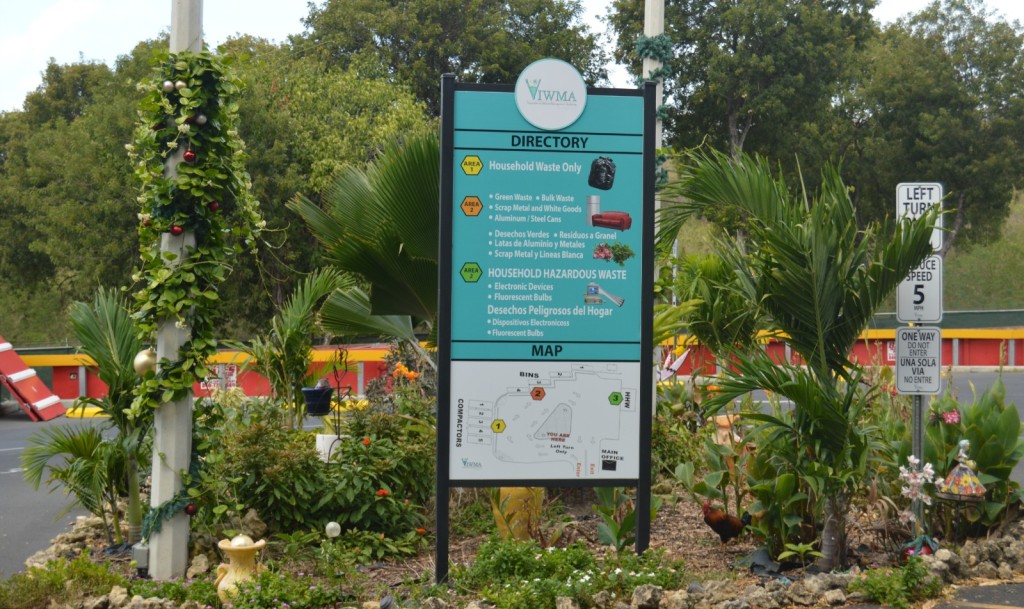
The V.I. Waste Management Authority is strengthening enforcement at public bin sites across the territory, warning that illegal dumping and misuse of the sites remain serious environmental, operational and public health concerns.

WMA said the effort is part of a broader push to improve accountability, protect public resources and maintain clean and safe communities. Through enhanced enforcement strategies, the authority said it is improving its ability to identify violations, respond to concerns more efficiently and ensure that public waste disposal areas are used properly.
Illegal dumping and misuse of public bin sites contribute to overflowing disposal areas, infrastructure damage, increased cleanup costs, pest activity and environmental degradation, according to WMA.
Individuals caught illegally dumping or misusing bin sites may face fines of up to $1,000, penalties or additional enforcement action under Virgin Islands law.
To help keep bin sites safe and accessible, WMA is reminding residents and businesses to dispose of household waste only in designated bins, break down cardboard boxes and bulky materials before disposal, secure trash bags properly to reduce litter and pest activity, follow posted signage and disposal instructions at each location, and promptly report overflowing bins, illegal dumping or maintenance concerns.
The authority also reminded the public not to dispose of hazardous materials, including chemicals, batteries, paints, oils or medical waste, at public bin sites. Residents and businesses are also told not to leave trash outside bins or on the ground, dump construction debris, appliances, furniture, tires or bulk waste, use residential bin sites for commercial disposal, or engage in illegal dumping or vandalism at any VIWMA facility or bin site.
To support proper disposal, WMA said it will coordinate the collection of white goods, scrap metal and bulk waste at designated locations beginning in July 2026.
On St. Croix, collections will take place at the Anguilla Landfill and the Cotton Valley bin site. On St. Thomas, collections will be held at the Nazareth and Cancryn bin sites. On St. John, collections will take place at the Pine Peace and Coral Bay bin sites.
Those collections are scheduled for the second weekend of each month beginning in July 2026, from 8:00 a.m. to 3:00 p.m. WMA said the schedule is subject to change because of weather conditions.
The authority said it has also coordinated, and will continue to coordinate, quarterly bulk waste collections at designated bin sites as part of efforts to strengthen community partnerships and improve waste management services across the territory.
Residents are encouraged to follow posted schedules and placement guidelines to ensure safe and efficient collection.
WMA said both convenience centers will accept residential white goods and scrap metal, including refrigerators, stoves and other household appliances, during the first and third weeks of each month. Bulk waste items such as mattresses, tables and couches will be accepted during the second and fourth weeks of each month.
Mandahl Convenience Center will continue operating Monday through Saturday from 6:00 a.m. to 6:00 p.m., and Sundays from 6:00 a.m. to 4:00 p.m.
Peter’s Rest Convenience Center will operate Monday through Friday from 6:00 a.m. to 7:00 p.m., and Saturdays and Sundays from 6:00 a.m. to 5:00 p.m.
On holidays, the convenience centers are open from 6:00 a.m. to 2:00 p.m. They are closed on Thanksgiving Day, Christmas Day and New Year’s Day.
WMA also reminded the business community that tire dealers are responsible for contracting and arranging the proper removal and off-island disposal of used tires. Tires are not permitted at residential bin sites, and improper disposal will result in enforcement action.
The authority said maintaining clean and functional bin sites is a shared responsibility involving WMA, residents, businesses and waste haulers.
“By working together, we can improve service delivery, protect the environment, and preserve the natural beauty of the Territory,” WMA said.
The authority encouraged residents and businesses to take an active role in keeping bin sites clean and compliant.



Advertisements